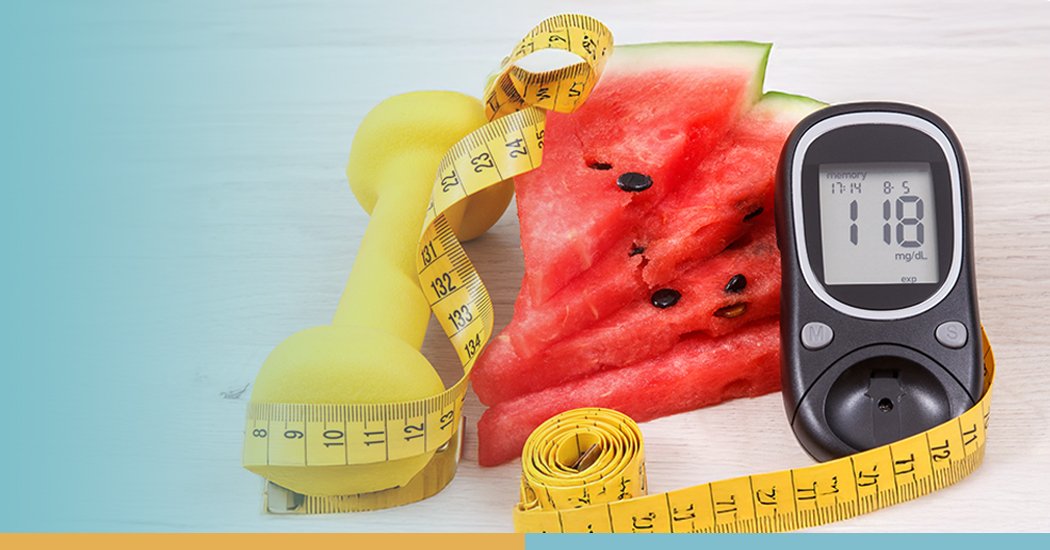
A lot of people may believe that diabetes is primarily centred around
Weight loss & body Metabolism however, if you have either personally had it or been close to someone with it, you know that there is more to the story than that.
Diabetes can cause weight fluctuations (both up and down), random fluctuations in energy levels, and cause your body to respond to things in ways you may not understand. For example, you may one day be losing weight without any effort and then another time, you may be doing everything right, yet still gaining weight; both situations can be confusing and, at times, frustrating.
This is a result of diabetes not just being a sugar issue. It triggers weight loss & body Metabolism the way how our bodies obtain energy, and as a result will cause other things in our body to change.
So, what’s really happening inside your body?
Glucose is one of the energy sources by which your body receives energy. Insulin is a hormone that helps you use glucose as well as allows the movement of glucose throughout the body from your bloodstream to your blood vessels so that your body can use glucose for energy. When you do not have enough insulin or if the insulin does not work correctly, your body begins to lose its order and organization because there isn’t any glucose going into your cells. As a result of this condition, your body has to find another source of energy to use.
It is not from anything that you are doing wrong.
But because your body is trying to adapt.
If your body feels unpredictable, it’s not random. Understand your metabolism with Nugenomics.
Why some people in diabetes get affected with weight loss & body metabolism
People with Type 1 Diabetes cannot produce insulin in their bodies which tends to
So even if you are eating a sufficient amount, your cells are not getting the energy they require. And when that happens, your body systems are brought to a stand still. Eventually it begins to break down fat. Then muscle. Not for Fitness, just to get you by.Which is why sometimes it may be defined as a “bad” thing!
The weight loss in itself is only gradual and can feel like it is very rapid and maybe a little bit frightening. Clothes tend to loosen up quite quickly Feeling hungry after a meal A general weakening of strength. our body is trying to survive, not be healthy.
Your body has a rhythm. Let’s learn it, not leap into it.
And why others gain weight instead
With Type 2 Diabetes, things look very different.
Here, your body does produce insulin but it doesn’t respond to it properly.
This is called insulin resistance.
So now, instead of using glucose efficiently, your body starts storing more of it as fat.
At the same time:
- You feel hungry more often
- Your energy crashes faster
- Cravings become harder to control
It becomes a loop.
And the frustrating part?
Even when you try to eat better or move more, results don’t always show up the way you expect.
If nothing seems to “work,” it’s time to stop guessing and start personalizing.
The metabolism piece most people miss
People often say, “I have a slow metabolism.”
But metabolism isn’t just fast or slow, it’s how your body works.
With diabetes, that system gets disrupted.
Your body struggles to:
- Use energy properly
- Burn fat efficiently
- Maintain balance between hunger and fullness
And this is where it gets tricky.
Two people can eat the same food, follow the same routine and still see completely different results.
Because their bodies are wired differently.
There’s no one-size-fits-all here. Your body deserves a plan built for it.
Where diet fits into all of this
You’ve probably heard a hundred times:
“Just eat healthy.”
But what does that even mean when your body responds differently?
Working with a nutrition specialist can help but even then, a lot of plans are still based on general guidelines.
And that’s where people get stuck.
Because what works for someone else might not work for you.
Some people do well with lower carbs. Others don’t.
Some feel better eating more frequently. Others don’t.
It’s not about finding the “perfect diet.”
It’s about finding what your body actually responds to.
Your diet shouldn’t be trial-and-error. It should be tailored.
The part no one talks about enough your genetics
Here’s something most people aren’t told early enough:
Your body already has a blueprint.
Your genes influence:
- How you process carbs
- How easily you gain or lose weight
- How your metabolism behaves under stress
So when something feels “off,” it usually isn’t random.
It’s biological.
And once you start understanding that, things shift.
You stop blaming yourself.
And start making decisions that actually make sense for your body.
Understand your body at its core—with NuGenomics’ DNA insights.
Managing weight with diabetes, what actually helps
There’s no shortcut here. But there is a smarter way.
When you start aligning your food, movement, and habits with how your body actually works:
- Weight becomes easier to manage
- Energy feels more stable
- Progress feels more real
Not perfect. Not instant.But consistent and that’s what matters.
Start your personalized health journey with NuGenomics today.
FAQs