Many people do not recognize when Type 2 diabetes begins developing. There are no loud sounds, no help signs; it begins slowly. Some symptoms can be: more fatigue than usual, increased or decreased thirst, continued weight loss or gain without changing anything. All symptoms are easily ignored for some reason.
By the time you have your first test for Diabetes Type 2, it has been slowly building in you for many years.
What is Type 2 Diabetes, really?
For anybody you ask for an opinion, you’re likely to get the same answer, “Blood sugar is too high.” While that is an appropriate answer to this question, it doesn’t tell the whole story. A large part of the issue is that the body has difficulty using insulin. Insulin is responsible for moving blood sugars from the bloodstream to cells. When this occurs properly, metabolic functions work properly. However, the process of using insulin has stopped working correctly in the case of Type 2 diabetes.
The body continues to produce insulin; however, at least for some phases of the disease, the body’s cells do not respond to insulin as they should. Therefore, glucose is not being transferred and stays in the blood.
As the condition progresses, a body’s attempt to compensate for its inability to utilize insulin is to produce more and more of it. Eventually, the body has produced all the insulin it can produce. Thus, elevated blood insulin levels are reflected on lab tests.
Why does it happen?
There is not one obvious explanation. For a lot of people, it’s the lifestyle where you may spend all day sitting for long hours, eat irregularly, consume large amounts of processed foods, and spend too little time on activity.
That has long-term consequences on the functioning of the body.For some it is more difficult. You notice that there are individuals that do not seem obese, that are active, and still get it.
This is where genetics come into play. That history in your family increases your odds right away. It doesn’t mean you’ve definitely got it, but it is a factor.
Next consider the combination of the lifestyle and genetic predisposition which is likely to be the most prevalent.
Not so much about a single bad habit as it is about habits becoming ingrained over the course of years.
Symptoms people usually overlook
The first part of this section holds importance because most people fail to establish connections between information before reaching the conclusion. The first thing people observe about others is their fatigue while most people do not consider it as an emergency situation.
The current world experiences widespread tiredness which people attribute to their work and their sleep patterns and their levels of stress. The second part includes thirst as a basic human need which people experience. People tend to overlook their need for more water because they find it easy to drink additional water. People will experience more frequent urination yet they do not consider this enough reason to seek medical help.
People experience gradual vision changes which develop over time. People experience temporary blurriness because their vision returns to normal. People have a tendency to dismiss the situation without any hesitation. People tend to disregard the time it takes for their cuts or injuries to heal completely. The separate elements require instant action. The combination of these elements begins to create a narrative. Some situations exist where people show no visible signs of illness. The situation becomes difficult to handle. People can maintain good health but still experience higher blood sugar levels.
How do you actually find out?
Usually through a routine test.
A fasting blood sugar test is the most basic one. You don’t eat for a few hours, then check your glucose level. It gives a snapshot.
The HbA1 c test is more revealing. It gives you an average of your blood sugar over the last couple of months, not just one day.
That is often what helps to determine if it is a pattern or just an anomaly. Occasionally, if the levels are borderline, the doctor will request a glucose tolerance test.
This is a measure of how your body processes sugar eaten. None of these tests are difficult. The problem is people don’t always get around to doing them until there is a reason.
Can Diabetes Be Reversed?
This is where the conversation has to change. We have all been told for a long time that you are going to be saying something like I’m a diabetic for the rest of my life.
But it’s a new day! Your diabetes can be potentially reversed and reversed quite happily in many cases for sure.
Reversal is not a one shot fix and it doesn’t mean the condition vanishes and you’re back to previous habits.
In practical terms, it is restoring your blood sugar to a healthy level and maintaining it there, long term.
Yes, a lot of people have done that.
A stage has been reached in which reports appear normal, energy level seems to be coming back to the normal range, and reliance on or the dependence upon the medication has occurred.
But it’s not random.
It happens when you start working with your body instead of against it:
- Eating in a way your body responds well to
- Moving consistently
- Improving weight & metabolism
- Fixing daily routines that impact blood sugar
And here’s the truth most people miss—
not everybody responds the same way.
That’s exactly where a personalized approach makes all the difference.
How NuGenomics Helps You Reverse, Not Just Manage
At NuGenomics, the focus isn’t generic diet charts or one-size-fits-all advice.
Instead, the approach is built around your DNA, your metabolism, and your body’s unique response patterns.
The NuGen plan helps you:
- Understand how your body processes sugar, fat, and nutrients
- Identify what’s actually slowing down your weight & metabolism
- Build a personalised nutrition and lifestyle plan
- Create habits that are realistic—and sustainable long-term
Because reversal isn’t about extreme changes.
It’s about the right changes for your body.
What does treatment actually look like?
It’s not as extreme as people imagine.
In many cases, the first step is adjusting food habits. Not starving, not cutting everything you enjoy—but understanding what affects your sugar levels and how your body reacts.
Movement plays a bigger role than most expect. Even regular walking helps improve how the body uses insulin. It doesn’t have to start with intense workouts.
For some people, medication becomes necessary. That depends on how high the levels are and how the body is responding.
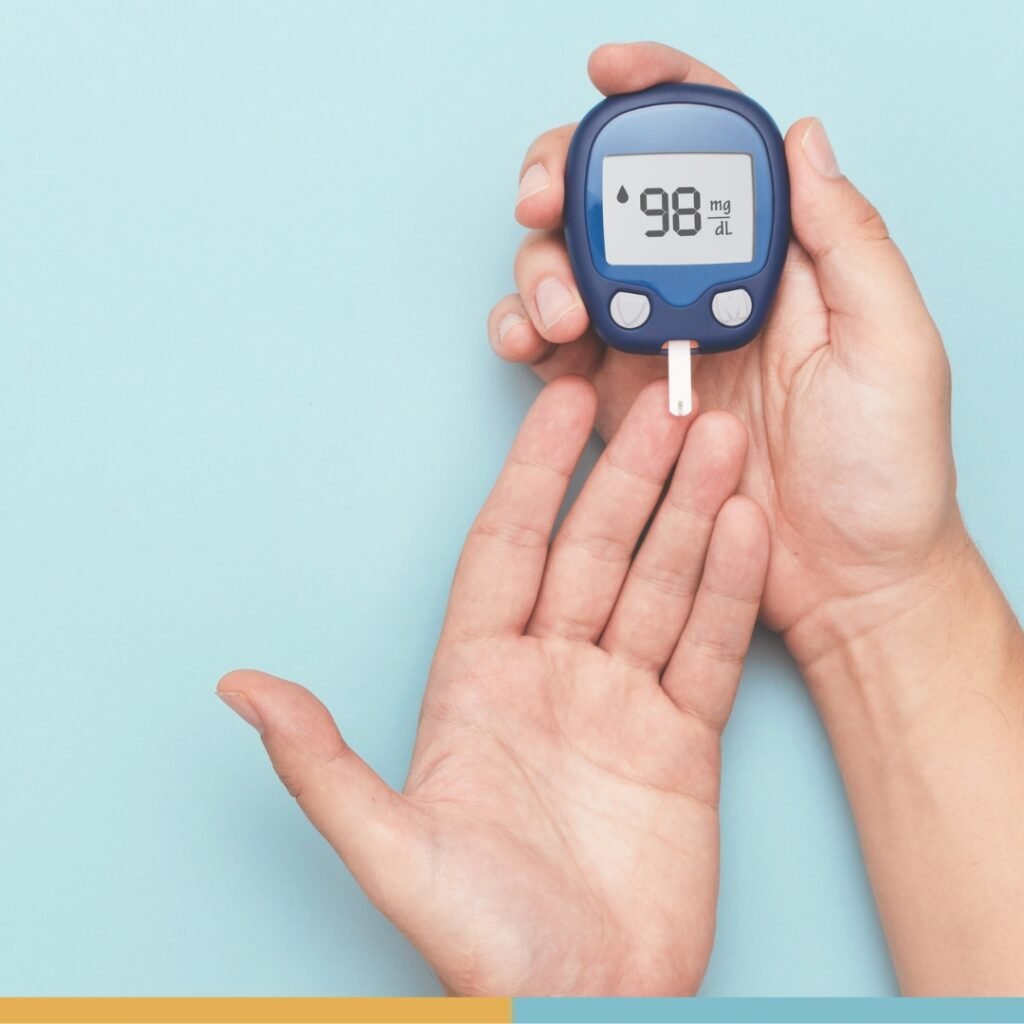
Monitoring is also part of the process. Not obsessively, but enough to stay aware. It helps you notice patterns—what works, what doesn’t.
And increasingly, people are trying to understand their body beyond surface-level reports. Why does their sugar spike the way it does? Why certain diets don’t work for them. That’s where deeper health insights are becoming more relevant.
Know how we at NuGenomics help you reduce/reverse your diabetes.
Why catching it early actually changes things
Because the earlier you catch it, the more reversible the situation feels.
If it’s picked up when levels are just starting to rise, small adjustments can make a big difference. Waiting longer usually means more effort later.
It’s not just about avoiding medication. It’s about avoiding the complications that come with long-term uncontrolled sugar—heart issues, nerve damage, vision problems.
Most of those don’t show up immediately. They build over time, just like the condition itself.
Which is why awareness matters more than urgency.
A quick comment, seriously the moment. Have you experienced mild “out-of-tuneness” for some time now?
It might be time for an examination. Not because of fear. Just because of awareness.
Even if it all turns out normal, then that is relevant. It gives an indication of your position.
If not, then you’re on top of things enough to take action. Get a grip before your body makes you stop.
Begin your personalized health journey with Nugenomics today.
FAQs