There are occasions when your body acts unexpectedly.
Type I diabetes is one of those diseases. It doesn’t progress gradually over a period of several years, nor is it caused by an individual’s lifestyle choices – it develops rapidly and may occur either during childhood or later, and alters the way in which the body processes a basic substance, i.e., sugar.
What’s important about Type I diabetes, more than anything else, is that it is not the end of a normal life, but rather, it represents the beginning of learning more about your body and its inner workings on a more comprehensive level.
What Is Type 1 Diabetes?
Type 1 Diabetes (Juvenile Diabetes) is an autoimmune disease that attacks your pancreas (which produces insulin) and eventually causes the Beta cell part of your pancreas to become destroyed. Your body’s immune system has been harmful in this case, mistakenly identifying your Beta cells as an invader and destroying them for that reason alone. Thus, over time, your body will be unable to produce Insulin because of a destruction of Beta cells. Insulin allows you to metabolize the glucose from the food you eat; without it, glucose cannot enter the cells of your body and be used as energy, and hence glucose will become elevated in your blood, resulting in hyperglycemia. Unlike type 2 diabetes, type 1 diabetes is not caused by your diet or being overweight; it reflects how your body has reacted to the presence of this disease. If you have ever wondered how your body processes glucose differently from other people, you may wish to have a DNA (specifically health) test done for yourself.
What Causes Type 1 Diabetes?
One of the most frustrating parts about Type 1 diabetes is that there isn’t a single, clear cause.
Doctors and researchers believe it’s a mix of genetics and environmental triggers. Some people may have a genetic predisposition, and then something—often a viral infection—acts as a trigger that sets the immune system off.
But even that doesn’t explain everything.
There are people with a family history who never develop it, and others with no history at all who do. Which tells us something important: Your body’s internal response system is highly individual.
And that’s exactly why personalized health insights are becoming so important today.
Understanding your genetic tendencies can help you make smarter, more targeted health decisions—especially when it comes to metabolism and blood sugar.
Symptoms of Type 1 Diabetes
Typically, symptoms associated with Type 1 diabetes appear quickly, rather than gradually appearing over time, and require urgent medical attention.
Sometimes you may have excessive thirst (regardless of how much fluid you consume), increased urination frequency, fatigue despite having adequate rest/sleep and weight loss despite having no change in your food intake.
The unexplained weight loss is the first sign of something being wrong for many individuals.
The reason for this is the body’s inability to metabolize glucose into energy, thus the body will break down fat and muscle to produce energy.
Other signs like blurred vision, constant hunger, or even mood changes can also show up.
If any of these symptoms feel familiar, it’s always better to get clarity early rather than wait. Early awareness makes management much easier.
How Is Type 1 Diabetes Treated?
There’s just no getting round this but if you have Type 1 diabetes, it has to be insulin. But it doesn’t mean life got smaller. It means it got more aware. Once you are on insulin therapy, it means that it can no longer do by itself what it knows.
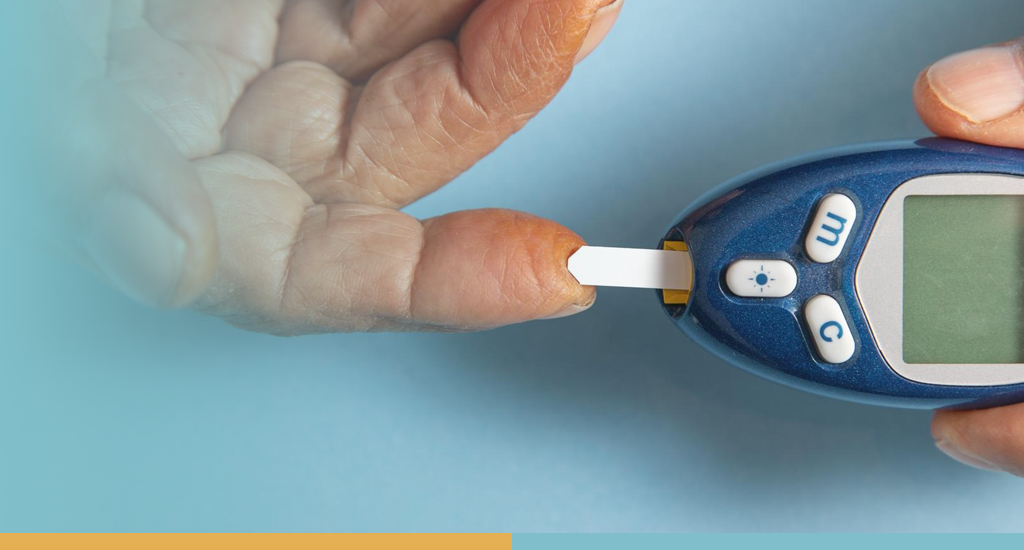
Therefore, with insulin therapy, there should be a close monitoring of your glucose levels and you should learn how to treat the ‘label’ of your condition and not see it as a burden.
Food is also very important. Different people with diabetes will have vastly different reactions to the same meal. And that is the direction modern health care is heading.
We’re moving away from generic diet charts and toward personalized nutrition plans based on how your body actually responds.
If you’re still following a one-size-fits-all approach, it might be time to switch to something built around your own biology.
Can Type 1 Diabetes Be Cured?
At some time in everyone’s life someone will probably ask this question.
At present there currently is not a known permanent cure for type 1 diabetes; nevertheless, there are numerous viable areas of scientific research currently taking place that could ultimately provide patients with an effective treatment option to effectively control/manage the disease; among these areas many believe that stem cell and immunological therapies may lead to a more definitive answer as a long term treatment option. Unfortunately, none of these options exist commercially yet.
This gives hope for the future of managing and treating diabetes!
In order to successfully manage your diabetes today though, you do not necessarily need a cure; instead you require three things – control of your diabetes, knowledge about your diabetes and a way to manage your diabetes. Additionally, using existing tools today will allow you to achieve all three of these goals.
Why Personalization Matters More Than Ever
If there’s one shift happening in healthcare right now, it’s this:
Finally we accept that bodies are unique. Your metabolism, your insulin sensitivity, your response to carbsit’s all in your DNA.Which is to say that managing Type 1 diabetes shouldn’t be about replicating someone else’s schedule rather, it should be about getting to know your own.
This is where NuGenomics provides a powerful contribution; the biological clarity. Because instead of guessing what is working you begin to know.
If you’re serious about managing your health smarter, not harder, a DNA-based plan can change everything.
Living with Type 1 Diabetes
It’s not about deprivation. It’s about awareness.
It’ s about understanding how your body responds to certain situations, observing sequences and choosing what is working for you, rather than against you. It gradually becomes easier through time and more friendly. You find out what works. You learn what doesn’t.
You develop a variety of new, personal habits. You gain confidence. And most importantly, you understand that this doesn’t control your life, just influences how you deal with it.You don’t need more rules. You need more knowledge.
Discover how your body really works with Nugenomics
Book your personalized DNA health test today!
FAQs